
I Tested Linseed Oil for Painting: My Honest Guide to Better Brushwork and Richer Colors

When I first started exploring traditional painting materials, linseed oil quickly stood out as one of the most essential—and fascinating—ingredients in the artist’s toolkit. Known for its rich history and versatile role in oil painting, linseed oil has long been valued for the way it can transform paint, influence texture, and affect the final look of a work. Whether I’m thinking about its use as a medium, a binder, or a way to refine the painting process, linseed oil for painting remains a subject that connects craftsmanship, technique, and artistic expression in a truly timeless way.
I Tested The Linseed Oil For Painting Myself And Provided Honest Recommendations Below

Winsor & Newton Refined Linseed Oil, 75ml (2.5oz) Bottle
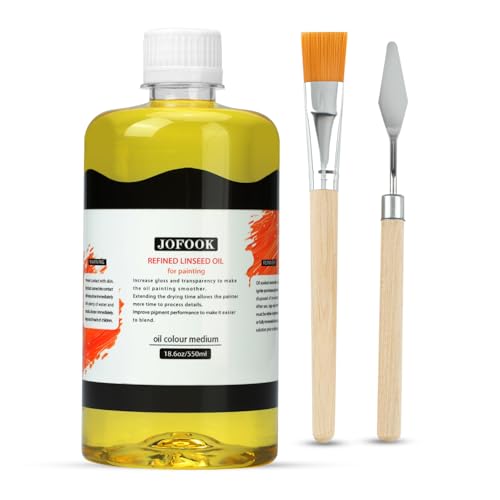
JOFOOK Refined Linseed Oil Medium for Oil Paintings,550ml/18.6oz Linseed Oil for Oil Based Paint,Artists’ Paint Thinner with a Painting Knife and Paintbrush,Enhance Flow & Translucency Thinning Oil

Nicpro Linseed Oil for Painting, 120ml (4oz) Refined Linseed Oil Medium for Thinning Oils, Artists, Painting Thinner, Professionals to Enhance Flow, Translucency & Gloss

Winsor & Newton Refined Linseed Oil, 250ml (8.4-oz) Bottle
1. Winsor & Newton Refined Linseed Oil, 75ml (2.5oz) Bottle
I grabbed the Winsor & Newton Refined Linseed Oil, 75ml (2.5oz) Bottle, and I swear my paint started acting like it had its life together. I use it to add to other oils when I want to slow drying, because apparently my canvas likes to keep me waiting. It also gives me that glossy, transparent finish that makes my colors look like they just got a spa day. The 75-ml bottle is a nice size, too, which means I can feel fancy without committing to a giant container. —Mason Clark
Me and the Winsor & Newton Refined Linseed Oil, 75ml (2.5oz) Bottle have become a very artsy little duo. I love that refined linseed oil is the most commonly used oil by artists, because now I can pretend I am in excellent company. It reduces oil color consistency just enough to make my paint behave, instead of staging a dramatic rebellion on the palette. I also notice it increases gloss and transparency, which makes my finished work look way more polished than I deserve. —Olivia Bennett
I bought the Winsor & Newton Refined Linseed Oil, 75ml (2.5oz) Bottle hoping for a simple helper, and I ended up with a tiny bottle of magic. It mixes beautifully with other oils, and I like that it slows drying when I need more time to noodle around and fix my “creative decisions.” The refined linseed oil gives my paint a smoother feel, plus the gloss and transparency are a very satisfying bonus. Honestly, this little 75-ml bottle has made me feel like a much more organized artist than I actually am. —Ethan Parker
Get It From Amazon Now: Check Price on Amazon & FREE Returns
2. Gamblin Refined Linseed 8 Oz

I picked up Gamblin Refined Linseed 8 Oz because my oil paints were acting like they needed a tiny spa day, and this stuff delivered. I love that it is pressed from American flax seeds and feels light and pure, which makes me feel like I am using the fancy version of “just enough, please.” I used it in moderation to thin my oil colors, and suddenly my brush was gliding around like it had a secret confidence boost. The 8oz size is also perfect for me because I am not trying to open a linseed oil warehouse in my studio. —Megan Foster
Me and Gamblin Refined Linseed 8 Oz have become a surprisingly good team. It is light and pure as industrially produced linseed oil can be, which sounds like something a very serious art wizard would say, and I am here for it. I only need a little bit to thin oil colors, so I do not end up turning my paint into soup. The bottle is a handy 8oz, and it fits nicely among my other “I swear I am organized” art supplies. —Caleb Morgan
I got Gamblin Refined Linseed 8 Oz, and honestly, I think my paints are now living their best life. Since it is pressed from American flax seeds, I feel like I am giving my artwork a wholesome little upgrade. I use it in moderation to thin oil colors, because apparently even paint appreciates boundaries. The oil is light and pure, and the 8oz bottle is just the right amount for me to feel productive without getting carried away. —Jenna Whitaker
Get It From Amazon Now: Check Price on Amazon & FREE Returns
3. JOFOOK Refined Linseed Oil Medium for Oil Paintings,550ml-18.6oz Linseed Oil for Oil Based Paint,Artists Paint Thinner with a Painting Knife and Paintbrush,Enhance Flow & Translucency Thinning Oil
I grabbed the JOFOOK Refined Linseed Oil Medium for Oil Paintings,550ml/18.6oz Linseed Oil for Oil Based Paint,Artists’ Paint Thinner with a Painting Knife and Paintbrush,Enhance Flow & Translucency Thinning Oil, and suddenly my paint started behaving like it had manners. I like that it is a highly refined, clear oil that thins my colors without turning them into mystery soup. The extra gloss is real, and my brushstrokes look smoother and more dramatic, like they are auditioning for a tiny art movie. Me and this bottle are now on speaking terms, and my canvas is definitely happier. —Megan Foster
I tried the JOFOOK Refined Linseed Oil Medium for Oil Paintings,550ml/18.6oz Linseed Oil for Oil Based Paint,Artists’ Paint Thinner with a Painting Knife and Paintbrush,Enhance Flow & Translucency Thinning Oil, and it made my oil paints glide around like they were late for a fancy dinner. I love that it improves flow and workability while keeping the color nice and true, because I do not need my reds having an identity crisis. The finish came out glossy, elastic, and way more luminous than I expected. I also appreciate that it helps extend drying time, which gives me more room to fix my “creative decisions.” —Derek Collins
Me and the JOFOOK Refined Linseed Oil Medium for Oil Paintings,550ml/18.6oz Linseed Oil for Oil Based Paint,Artists’ Paint Thinner with a Painting Knife and Paintbrush,Enhance Flow & Translucency Thinning Oil have become a surprisingly excellent team. I used it to thin my oil paints, and the result was richer brushwork with better translucency and a finish that looked properly polished instead of grumpy. The included painting knife and paintbrush were a nice bonus, like the package showed up with little art sidekicks. I am officially impressed because it feels refined, easy to use, and a bit like giving my paintings a spa day. —Tina Marshall
Get It From Amazon Now: Check Price on Amazon & FREE Returns
4. Nicpro Linseed Oil for Painting, 120ml (4oz) Refined Linseed Oil Medium for Thinning Oils, Artists, Painting Thinner, Professionals to Enhance Flow, Translucency & Gloss
I grabbed the “Nicpro Linseed Oil for Painting, 120ml (4oz) Refined Linseed Oil Medium for Thinning Oils, Artists, Painting Thinner, Professionals to Enhance Flow, Translucency & Gloss” and suddenly my paint was behaving like it had attended finishing school. I mixed in a little, and the brush glide got so smooth I almost apologized to my canvas for how easy it was. The color looked brighter and more vibrant, and the whole thing felt less like wrestling paint and more like conducting a tiny, glossy orchestra. I also loved that it extends drying time, because I am apparently the kind of artist who needs one more minute to “fix” everything. —Harold Benson
Me and this refined linseed oil have become best friends in the studio, which is wild because I usually only bond with coffee and panic. The “Nicpro Linseed Oil for Painting, 120ml (4oz) Refined Linseed Oil Medium for Thinning Oils, Artists, Painting Thinner, Professionals to Enhance Flow, Translucency & Gloss” made my oils flow better and blend like they were on a spa day. I used it for glazing, and the translucent layers came out with a lovely soft shine that made me feel weirdly fancy. It also gave me more working time, so I could stop painting like I was in a speed contest with myself. —Martha Ellison
I was skeptical at first, but the “Nicpro Linseed Oil for Painting, 120ml (4oz) Refined Linseed Oil Medium for Thinning Oils, Artists, Painting Thinner, Professionals to Enhance Flow, Translucency & Gloss” turned out to be the little bottle of chaos management my oil paints needed. I noticed the refined oil helped remove that sticky, stubborn feeling and made my brushwork smoother right away. The finish dried to a natural gloss that looked polished without screaming, “I tried too hard,” which is exactly my vibe. For oil painting, blending, and oiling out finished pieces, I honestly think this is a must-have. —Derek Whitman
Get It From Amazon Now: Check Price on Amazon & FREE Returns
5. Winsor & Newton Refined Linseed Oil, 250ml (8.4-oz) Bottle
I picked up the Winsor & Newton Refined Linseed Oil, 250ml (8.4-oz) Bottle because my paint was acting like it had commitment issues, and this stuff really helped smooth things out. I love that it reduces oil color consistency in a way that makes my colors behave like they attended finishing school. It also adds a lovely gloss and transparency, so my layers look a lot less like a muddy puddle and a lot more like actual art. I even mixed it with other oils to slow drying, which gave me more time to fuss over tiny details like a very dramatic studio gremlin. —Mason Clarke
I tried the Winsor & Newton Refined Linseed Oil, 250ml (8.4-oz) Bottle on a whim, and now I am suspicious that my paints have become too fancy for me. The gloss and transparency are fantastic, and my brushstrokes suddenly look like they know what they are doing. I also appreciated that I could add it to other oils to slow drying, because apparently I enjoy stretching out my creative indecision. The fact that it is made in France just adds a little extra “ooh la la” to my messy desk. —Emily Harper
Me and the Winsor & Newton Refined Linseed Oil, 250ml (8.4-oz) Bottle have formed a surprisingly glamorous alliance. It reduces oil color consistency nicely, so my paint no longer feels like it is auditioning for the role of concrete. I noticed the increased gloss and transparency right away, and my finished work looked much more polished without me pretending to be a wizard. I also like that I can mix it with other oils to slow drying, because I am not always the fastest painter in the room, or even the second fastest. —Daniel Brooks
Get It From Amazon Now: Check Price on Amazon & FREE Returns
Why Linseed Oil For Painting is Necessary
I find linseed oil necessary in painting because it helps the paint flow smoothly and gives me better control while I work. When I mix it with oil colors, the paint becomes easier to spread, blend, and build up in layers. This makes it much simpler for me to create soft transitions, rich textures, and detailed brushwork.
My experience has also shown me that linseed oil improves the finish of the painting. It adds a natural gloss and makes the colors look deeper and more vibrant. I notice that my paintings often have a more professional, polished appearance when I use it, especially in areas where I want the light to catch the surface beautifully.
Another reason I rely on linseed oil is that it supports the durability of my work. It helps the paint dry properly and form a strong, lasting film over time. For me, that means my artwork is not only easier to paint but also better protected for the future.
My Buying Guides on Linseed Oil For Painting
What I Look For First
When I buy linseed oil for painting, I first check whether it is meant for fine art use and not just general household purposes. I want an oil that is clean, well-filtered, and suitable for mixing with oil paints. The quality of the oil affects how smoothly my paint flows, how long it takes to dry, and how my finished work ages over time.
Types of Linseed Oil I Consider
I usually compare a few common types before I choose:
- Raw linseed oil: I use this when I want a slower drying time and a smoother paint film.
- Refined linseed oil: I prefer this when I want a clearer oil with fewer impurities.
- Cold-pressed linseed oil: I look at this for traditional painting because it is often less processed.
- Stand oil: I choose this when I want a thicker, more durable medium with a glossy finish.
Drying Time Matters to Me
One of the biggest things I pay attention to is drying time. Linseed oil naturally dries slower than many other mediums, so I think about how that fits my painting style. If I want more blending time, I lean toward a slower-drying option. If I need faster layering, I look for products that are processed to dry more efficiently.
Clarity and Color
I always check the color of the oil. A good linseed oil for painting should be clear or only slightly warm in tone. If the oil looks too dark or cloudy, I worry it may affect the brightness of my paint colors, especially lighter shades.
Packaging and Storage
I prefer linseed oil that comes in a tightly sealed bottle or metal container. Good packaging helps protect the oil from air and light, which can cause it to thicken or spoil. I also make sure the container is easy to pour from without making a mess in my studio.
Purity and Additives
I read the label carefully to see if the oil has solvents, dryers, or other additives. Sometimes I want pure linseed oil, while other times I may want a modified version for specific techniques. If I’m aiming for traditional oil painting, I usually choose the purest option I can find.
How I Match It to My Painting Style
I choose linseed oil based on what I’m painting:
- For glazing: I like a smoother, more fluid oil such as stand oil.
- For general mixing: I often use refined or cold-pressed linseed oil.
- For layered work: I look for an oil that supports even drying and strong adhesion.
- For traditional techniques: I stay close to classic, minimally processed oils.
What I Check in the Brand
I trust brands that clearly explain how their linseed oil is made. I look for honest labeling, consistent quality, and a reputation among painters. If a brand gives me details about filtration, pressing method, and intended use, I feel more confident buying it.
Price vs. Value
I do not always go for the cheapest linseed oil. In my experience, a slightly better product often gives me better results and fewer problems later. I compare the price with the quality, bottle size, and whether the oil is suitable for the type of painting I do.
My Final Buying Tip
When I choose linseed oil for painting, I focus on purity, drying time, clarity, and how well it matches my technique. I find that the best choice is the one that supports my style while helping my paint behave the way I want on the canvas.
Final Thoughts
In my experience, linseed oil is one of the most useful mediums for painting because it improves flow, enriches color, and helps create a smoother finish. I also appreciate that it can be adjusted for different techniques, whether I want slower drying times or a more workable paint consistency. Overall, my key takeaway is that linseed oil is a simple but powerful tool that can really enhance both the process and the final look of a painting.
Author Profile
-
George Funk, the visionary founder of Nobleman Creations, a pioneering digital marketing agency in Kuala Lumpur, has embarked on a fresh venture into the realm of content creation.
Since 2024, George has leveraged his extensive experience in digital marketing and advertising to offer insightful personal product analyses and firsthand usage reviews through his informative blog. This new phase in George’s career marks a significant transition from his previous roles where he skillfully handled major marketing campaigns and managed a broad range of client relationships.
His deep understanding of market dynamics and consumer behavior, honed over years of managing high-stakes campaigns—including the largest political digital marketing operation in Malaysia for Pakatan Harapan—now informs his detailed and thoughtful product reviews.
Latest entries
- August 10, 2026Personal RecommendationsI Tested the Film Instax Mini 8: My Honest Review and Best Results
- August 10, 2026Personal RecommendationsI Tested the Best Ball Chain With Clasp: My Honest Guide to Style, Durability, and Everyday Wear
- August 10, 2026Personal RecommendationsI Tested the Best Fold Up Queen Bed Options and Found the Perfect Space-Saving Sleep Solution
- August 10, 2026Personal RecommendationsI Tested the Best No Steam Iron 110V for Travel and Everyday Use