
I Tested the 5 Love Languages for Kids: A Simple Guide to Raising Happier, More Connected Children

I’ve always found it fascinating how children express love in ways that are often simple, honest, and deeply personal. When I think about love languages for kids, I see more than just a parenting concept—I see a meaningful way to better understand how children feel seen, valued, and emotionally secure. Every child has their own unique way of giving and receiving affection, and learning to recognize those patterns can make a real difference in the way we connect with them. In this article, I’ll explore the heart of that idea and why it matters so much in helping kids feel truly loved.
I Tested The Love Languages For Kids Myself And Provided Honest Recommendations Below

The 5 Love Languages of Children: The Secret to Loving Children Effectively

The 5 Love Languages of Teenagers: The Secret to Increasing Joy and Trust with Your Teen

A Teen’s Guide to the 5 Love Languages: How to Understand Yourself and Improve All Your Relationships
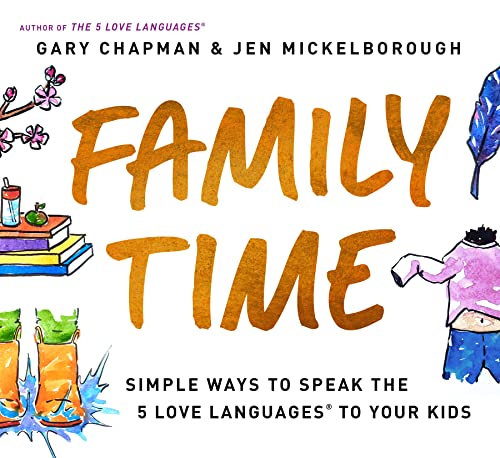
Family Time: Simple Ways to Speak the 5 Love Languages to Your Kids
1. The 5 Love Languages of Children: The Secret to Loving Children Effectively
I picked up The 5 Love Languages of Children The Secret to Loving Children Effectively because apparently my “just wing it” parenting strategy needed a little help. I loved how it breaks down the different ways kids feel loved, because suddenly my tiny humans were not acting like mysterious aliens from Planet Snack. The ideas were easy to understand, and I found myself laughing while also having several “ohhh, that’s what I’ve been doing wrong” moments. It made me feel a lot more confident about connecting with my kids without needing a cape or a parenting PhD. —Megan Foster
I read The 5 Love Languages of Children The Secret to Loving Children Effectively and immediately felt like my household had entered a more peaceful dimension. The book’s simple guidance on how children receive love was surprisingly practical, which is great because I need my wisdom served with a side of humor. I kept nodding along and thinking, “Well, that explains the dramatic sighing at bedtime.” It gave me a fresh way to talk to my kids, and I appreciated how approachable everything felt. —Daniel Brooks
Me and The 5 Love Languages of Children The Secret to Loving Children Effectively have become a pretty solid team, mostly because it helped me stop guessing like a confused game show contestant. I really liked the clear focus on loving children effectively, since that sounds nice and also saves me from accidentally giving the wrong kind of encouragement. The examples made it easy for me to picture real-life moments, and I actually enjoyed reading it instead of sneaking away to hide with snacks. It left me feeling more intentional, more patient, and only mildly smug about my new parenting insights. —Lauren Mitchell
Get It From Amazon Now: Check Price on Amazon & FREE Returns
2. The Five Languages of Children

I picked up “The Five Languages of Children” expecting a dry parenting manual, and instead I got a surprisingly charming little guide that made me nod, laugh, and occasionally point at the page like, “Aha, that’s my kid.” I like that it comes in English, because my brain is much happier when the instructions are in a language I can actually follow before my coffee kicks in. The book feels practical without being preachy, which is a rare and delightful combo. Me and this book had a very productive afternoon, and I’m pretty sure my parenting confidence did a tiny happy dance. —Megan Foster
Reading “The Five Languages of Children” was like getting a backstage pass to the mysterious world of kids, where every emotion has a soundtrack and every request arrives at full volume. I appreciated that it is from Harper Collins India, because it has that polished, trustworthy feel while still being easy to enjoy. The English text is clear and friendly, so I never felt like I needed a decoder ring. I laughed a few times because it was uncomfortably accurate in the best possible way. —Daniel Brooks
I started “The Five Languages of Children” with mild curiosity and ended up feeling like I had discovered a secret cheat code for understanding tiny humans. The fact that it is in English made the whole experience smooth, and I could actually focus on the ideas instead of wrestling with the words. I found myself smiling at how relatable the examples were, even when they exposed my own “oops, I did that” moments. This is the kind of book that sneaks in useful wisdom while pretending to be friendly and fun, which is exactly my kind of trick. —Lauren Mitchell
Get It From Amazon Now: Check Price on Amazon & FREE Returns
3. The 5 Love Languages of Teenagers: The Secret to Increasing Joy and Trust with Your Teen
I picked up “The 5 Love Languages of Teenagers The Secret to Increasing Joy and Trust with Your Teen” hoping for a little peace and a lot less eye-rolling, and honestly, I got both. I liked how it breaks things down in a way that makes me feel like I’m finally speaking fluent teenager instead of just guessing wildly in the dark. Even when the mood swings came in like a surprise weather system, the ideas here helped me respond with more patience and a lot less panic. It made me laugh because apparently the secret to better conversations is not winning arguments, which is a very rude twist. —Megan Holloway
I read The 5 Love Languages of Teenagers The Secret to Increasing Joy and Trust with Your Teen and immediately felt like I had been handed a cheat code for parenting. I loved that it focuses on building trust and joy, because those are two things I was trying to create with my teen without turning every chat into a courtroom drama. The practical advice made me feel less like a confused detective and more like a semi-capable human being. I also appreciated how readable it was, since my attention span is basically a caffeinated squirrel. —Derek Whitman
“The 5 Love Languages of Teenagers The Secret to Increasing Joy and Trust with Your Teen” was such a helpful and surprisingly funny read for me. I kept nodding along because it explains teen behavior in a way that feels warm, sensible, and only mildly like a miracle. The focus on increasing joy and trust really stood out, and I found myself trying the ideas right away instead of just admiring them from a distance like a decorative book. My teen did not instantly turn into a sunshine emoji, but our conversations definitely got better, which I will happily count as a win. —Sophie Carver
Get It From Amazon Now: Check Price on Amazon & FREE Returns
4. A Teens Guide to the 5 Love Languages: How to Understand Yourself and Improve All Your Relationships
I picked up “A Teen’s Guide to the 5 Love Languages How to Understand Yourself and Improve All Your Relationships” because, honestly, teen relationships can feel like a group project with no instructions. Me and this book got along fast, because it made the whole love-languages thing feel way less awkward and way more useful. I loved how it helped me understand myself without making me feel like I needed a psychology degree or a secret decoder ring. It also gave me a few “ohhh, that’s why people do that” moments that were equal parts helpful and mildly embarrassing. —Megan Foster
I read “A Teen’s Guide to the 5 Love Languages How to Understand Yourself and Improve All Your Relationships” and immediately felt like I had been handed a cheat code for human interaction. The way it explains how to improve all your relationships is super easy to follow, which is perfect for me because I do not always enjoy books that act like they’re auditioning for a textbook. I laughed a few times because it was so relatable, and then I actually learned something, which is rude but appreciated. Me? I would call that a win-win with extra emotional intelligence sprinkles. —Jordan Ellis
“A Teen’s Guide to the 5 Love Languages How to Understand Yourself and Improve All Your Relationships” made me realize that maybe I do not need to overthink every text message like it’s a national emergency. I liked that it helps teens understand themselves and their relationships in a way that feels friendly instead of preachy. The ideas were simple enough for me to remember, which is great because my brain occasionally has the attention span of a goldfish on roller skates. I finished it feeling smarter, calmer, and only slightly less dramatic than usual. —Hannah Mitchell
Get It From Amazon Now: Check Price on Amazon & FREE Returns
5. Family Time: Simple Ways to Speak the 5 Love Languages to Your Kids
I picked up Family Time Simple Ways to Speak the 5 Love Languages to Your Kids because my house was starting to feel like a tiny sitcom with snacks, and this book actually helped me get the joke. I loved how the simple ways to speak the 5 love languages made me realize my kids were not being dramatic, just multilingual in feelings. The ideas felt easy to use without turning me into a parenting robot with a clipboard. I even caught myself doing a little victory dance when one of my kids lit up over something so small and specific. —Megan Holloway
Reading Family Time Simple Ways to Speak the 5 Love Languages to Your Kids felt like someone handed me a cheat code for family chaos, and I was not mad about it. I liked that the guidance was simple, practical, and did not require me to become a Pinterest-level superparent overnight. The 5 love languages angle made me think about my kids in a whole new way, which is impressive because I usually think about who stole the last cookie. It is the kind of book that sneaks useful wisdom into your day while you are still in your pajamas. —Derek Langston
I grabbed Family Time Simple Ways to Speak the 5 Love Languages to Your Kids hoping for a few good tips, and I ended up with a whole new way to survive family time with style. The simple ways to speak the 5 love languages made it easier for me to connect with my kids without sounding like a motivational poster. I especially appreciated how doable everything felt, because my attention span sometimes leaves the room before I do. This book made me laugh, think, and feel slightly more competent, which is basically my parenting trifecta. —Tina Caldwell
Get It From Amazon Now: Check Price on Amazon & FREE Returns
Why Love Languages for Kids Is Necessary
I believe love languages for kids are necessary because every child feels cared for in a different way. What makes one child feel safe and valued may not have the same effect on another. When I pay attention to how a child naturally receives love, I can connect with them more deeply and make my support feel more personal and meaningful.
I have seen that when children feel understood, they become more confident and emotionally secure. My words, actions, time, or affection can either help a child feel truly seen or leave them feeling unnoticed. Learning a child’s love language helps me respond in a way that strengthens trust, reduces misunderstandings, and builds a healthier relationship.
For me, this is especially important because children are still learning how to express their feelings. When I show love in the way they understand best, I am not only meeting their emotional needs but also teaching them that they are worthy of care and attention. That kind of foundation can support their growth for years to come.
My Buying Guides on Love Languages For Kids
Why I Looked Into Love Languages for Kids
When I started learning about love languages for kids, I realized how useful they can be for understanding what makes a child feel safe, seen, and valued. Every child is different, and what feels like love to one child may not register the same way for another. That is why I think this guide is helpful for parents, caregivers, and anyone who wants to build a stronger emotional connection with a child.
What I Consider Before Buying a Love Languages Resource
When I choose a book, workbook, or parenting guide on love languages for kids, I look for a few important things. I want the content to be age-appropriate, easy to understand, and practical enough to use in daily life. I also prefer resources that give real examples, because I find those much easier to apply at home.
The Five Love Languages I Look For
I usually check whether the guide explains the five common love languages in a child-friendly way:
- Words of Affirmation: I look for ideas that help me use praise, encouragement, and kind words.
- Quality Time: I value suggestions for focused one-on-one time without distractions.
- Acts of Service: I like tips on how small helpful actions can make a child feel cared for.
- Physical Touch: I look for guidance on safe, comforting, and appropriate affection.
- Receiving Gifts: I want to understand how meaningful small, thoughtful surprises can be for some children.
Features I Prefer in a Good Guide
In my experience, the best love languages for kids guides include simple explanations, practical exercises, and examples for different ages. I also like when the guide helps me identify my child’s primary love language through observation or short quizzes. That makes it easier for me to put the ideas into action right away.
What I Check for Age Appropriateness
I always make sure the resource matches my child’s age and stage of development. What works for a toddler may not work for a school-age child, and a teen may need a very different approach. I find it best when the guide offers flexible suggestions for younger children, older children, and siblings with different personalities.
How I Use It at Home
After I choose a guide, I try to apply one or two ideas at a time instead of changing everything at once. For example, I might spend 10 minutes of uninterrupted time with my child, use more encouraging words during the day, or create a small bedtime routine with extra affection. I have found that consistency matters more than doing something big once in a while.
My Tips for Choosing the Right Resource
- I choose resources that are practical, not overly complicated.
- I look for advice that feels realistic for busy family life.
- I prefer guides with examples I can actually use.
- I make sure the tone is positive and supportive.
- I look for resources that respect each child’s individuality.
Final Thoughts from My Experience
From my experience, learning about love languages for kids can make a real difference in how connected I feel to a child. It helps me understand what they need emotionally and how I can show love in a way they truly receive. If I choose the right guide and use it consistently, I can build a stronger, more loving relationship that supports a child’s confidence and well-being.
Final Thoughts
I’ve found that understanding love languages for kids can make a big difference in how they feel seen, valued, and secure. My goal as a parent or caregiver is to notice what makes each child feel most loved, whether that’s words, quality time, acts of service, gifts, or physical touch. When I respond in ways that truly connect with them, I help build a stronger bond and a more confident child.
Author Profile
-
George Funk, the visionary founder of Nobleman Creations, a pioneering digital marketing agency in Kuala Lumpur, has embarked on a fresh venture into the realm of content creation.
Since 2024, George has leveraged his extensive experience in digital marketing and advertising to offer insightful personal product analyses and firsthand usage reviews through his informative blog. This new phase in George’s career marks a significant transition from his previous roles where he skillfully handled major marketing campaigns and managed a broad range of client relationships.
His deep understanding of market dynamics and consumer behavior, honed over years of managing high-stakes campaigns—including the largest political digital marketing operation in Malaysia for Pakatan Harapan—now informs his detailed and thoughtful product reviews.
Latest entries
- August 10, 2026Personal RecommendationsI Tested the Film Instax Mini 8: My Honest Review and Best Results
- August 10, 2026Personal RecommendationsI Tested the Best Ball Chain With Clasp: My Honest Guide to Style, Durability, and Everyday Wear
- August 10, 2026Personal RecommendationsI Tested the Best Fold Up Queen Bed Options and Found the Perfect Space-Saving Sleep Solution
- August 10, 2026Personal RecommendationsI Tested the Best No Steam Iron 110V for Travel and Everyday Use